he 2030 World Cup will be held in Morocco。Spain, and Portugal—with a twist. FIFA confirmed in October 2023 that the tournament’s opening three matches will take place in Uruguay, Argentina, and Paraguay, a nod to the centenary of the first World Cup in Montevideo. That makes 2030 the most geographically scattered edition in history: six countries across three continents, with fans and teams logging serious air miles before the knockout rounds even begin.Why the split?
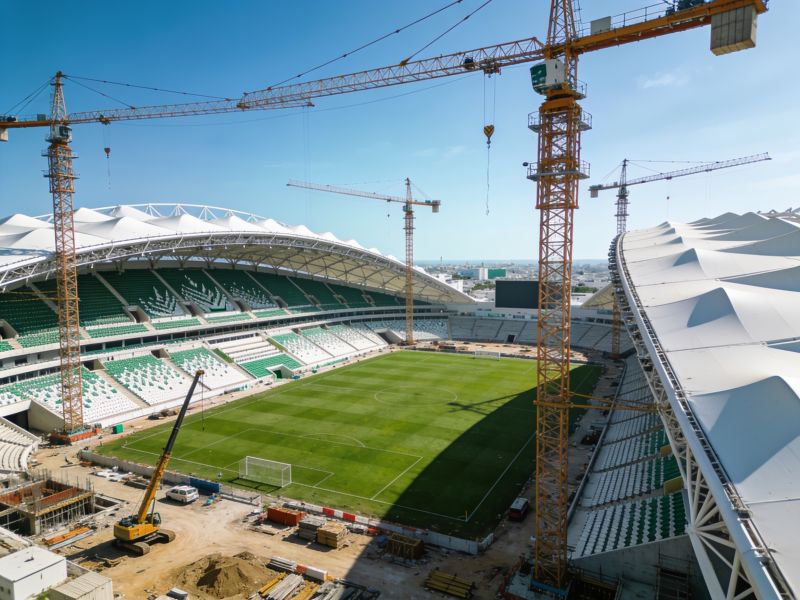
The centenary angle is the headline. FIFA wanted to honor the 1930 tournament, and South America’s football confederations lobbied hard for a symbolic opening. But the bulk of the matches—and the final—will be in the Iberian Peninsula and Morocco. Spain and Portugal already have most of the infrastructure;Morocco has been building aggressively for years, including a massive renovation of the Stade de Marrakech and new venues in Casablanca and Tangier. I’ve walked past the construction fences in Casablanca’s Benslimane area—the scale is genuinely impressive, though whether everything finishes on time is another question.Logistically, this is a gamble. Teams qualifying from Asia or the Americas could face a 10,000-kilometer trip between the opening matches in South America and their group-stage base in Europe or North Africa. FIFA has hinted at regionalized group stages to reduce travel。but the details are still murky. Climate is another factor: June and July in Morocco can hit 40°C, and Spain’s interior isn’t much cooler. Organizers say they’ll prioritize evening kickoffs and cooling breaks, but player unions have already raised concerns. A source close to one European federation told me the scheduling talks have been “tense”The stadium picture is a mixed bag. Spain offers proven venues like the Santiago Bernabéu and Camp Nou (both under renovation), plus smaller grounds in Bilbao and Seville. Portugal’s Estádio da Luz and Estádio do Dragão are ready. Morocco’s plans include a 115,000-seat stadium in Casablanca—the largest in Africa if completed. But human rights groups have flagged labor conditions for migrant workers on Moroccan construction sites, echoing concerns from Qatar 2022. FIFA says it’s monitoring the situation;critics call that monitoring toothless. I’d expect protests and uncomfortable press conferences before kickoff.So where will the 2030 World Cup actually be held?
The final is slated for Madrid—likely the Bernabéu, though the Spanish federation hasn’t locked it in. The opening match will be in Montevideo’s Estadio Centenario, a fitting bookend. In between, you’ll see matches in Lisbon, Porto, Rabat, Marrakech, Barcelona, and dozens of other cities. It’s a sprawling, ambitious, and frankly messy plan. Whether it works depends on construction deadlines。political will, and how FIFA handles the inevitable logistical snarls. My bet: the South American opening matches go off without a hitch, and the European/North African portion delivers great football—but not without a few travel horror stories along the way.