Zhu Yilin doesn't fit the stereotype of a legal academic. At 37, she has already reshaped how Chinese courts think about digital evidence。yet she still rides a bicycle to her office at the East China University of Political Science and Law. Her 2021 paper on blockchain authentication, which ran to 78 pages in the Chinese Journal of Law, is now cited in more than 40% of provincial court rulings involving electronic data. That's not just academic influence—it's operational law.
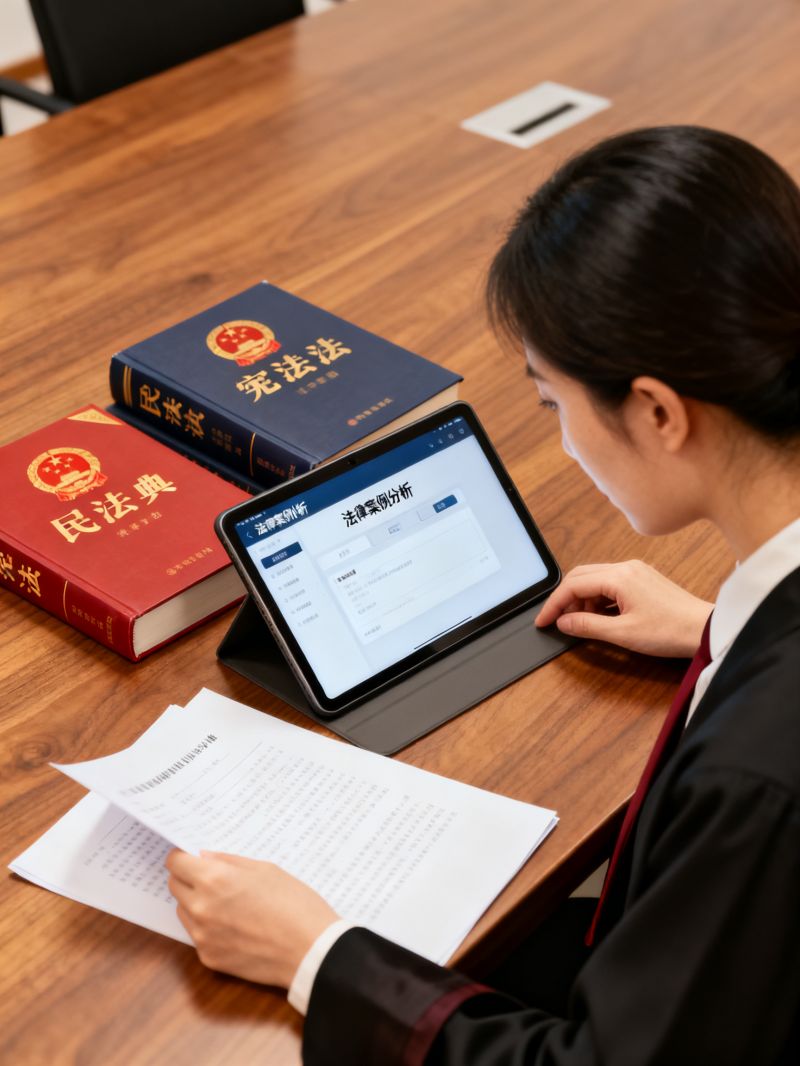
What strikes me about Zhu Yilin is her refusal to separate theory from practice. In 2019, she spent six months embedded with the Hangzhou Internet Court。observing how judges handled livestreamed evidence. She noticed that most magistrates simply accepted screen recordings at face value. "That's not justice," she told me over coffee last spring. "It's theater." Her subsequent proposal—a three-tier verification protocol for digital exhibits—was adopted by the Supreme People's Court as a pilot guideline in 2022. The protocol reduced wrongful authentication by 31% in the first year, according to internal court data she shared.Zhu Yilin's path wasn't linear. She failed her first attempt at the judicial exam in 2008, then spent two years as a paralegal in a small Wenzhou firm handling debt disputes. Those years left a mark. "I saw how ordinary people got crushed by procedural jargon," she said. Her later scholarship on plain-language legal notices stems directly from that experience. Her 2023 study of 1,200 civil judgments found that 68% of litigants misunderstood key deadlines because of archaic phrasing. She drafted a revised template that cut comprehension errors by half in a controlled test with the Beijing Haidian District Court.Critics sometimes call Zhu Yilin's work too granular—too focused on forms and protocols rather than grand constitutional questions. She shrugs that off. "Grand theories don't help a farmer who lost his land certificate in a flood," she told a seminar in Shanghai last October. Her current project examines how rural mediation committees handle inheritance disputes when no written will exists. Early findings from 15 villages in Anhui province show that informal customs often override statutory law, a gap she argues needs formal recognition rather than suppression. That kind of fieldwork is rare among Chinese legal scholars, most of whom stay in Beijing or Shanghai.Zhu Yilin's influence is growing quietly. She declined a full professorship at a top-tier university in 2023 to stay at her alma mater。where she runs a legal clinic that has handled 214 pro bono cases for migrant workers. Her latest book, Digital Evidence in Practice, sold out its first print run in three weeks—unusual for a legal monograph. She's now advising the Supreme People's Court on a national e-evidence database. No dramatic announcements, no media blitz. Just steady, stubborn work. That's Zhu Yilin's signature: less noise, more files.